

Tapioca: a Brazilian staple of Indigenous origin
From cassava roots to Brazilian tapioca
Learn the origins, meaning, and flavours behind one of Brazil’s most beloved foods.


Rich in Amazon ancestral knowledge. A gift of nature and culture.
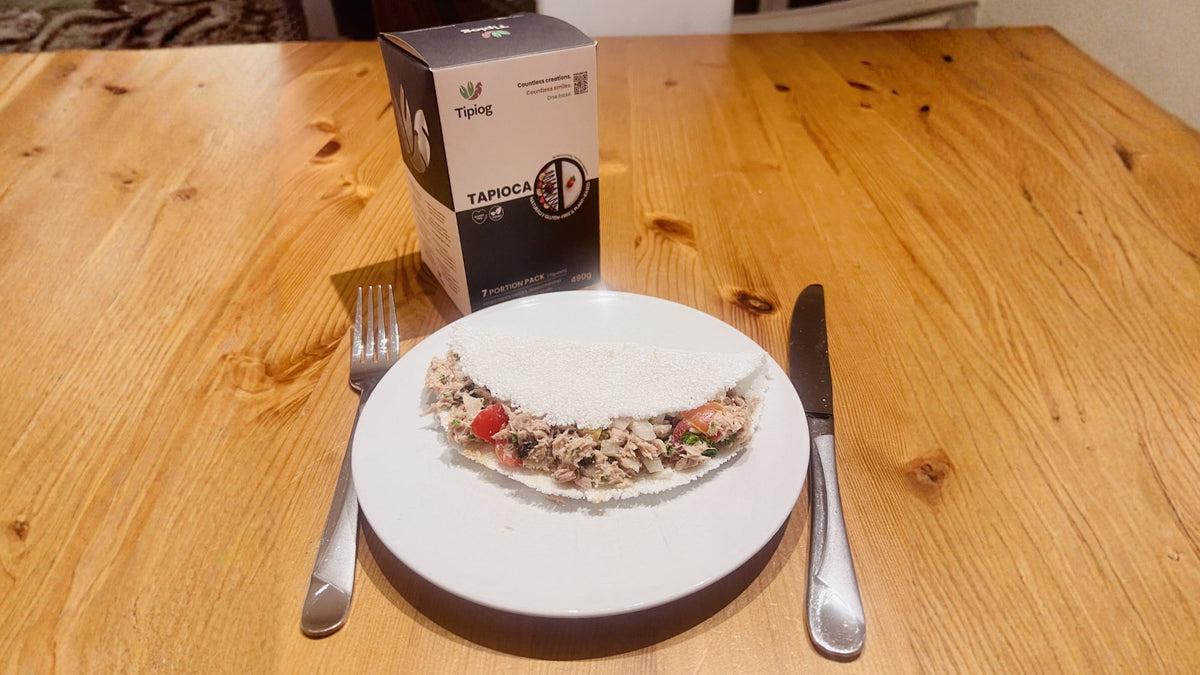
Made from hydrated cassava starch and served as a filled flatbread, tapioca became one of Brazil’s most beloved dishes.

From Indigenous hands to tables across Brazil.
Across time and regions, tapioca has spread beyond its origins, adapted to new contexts, and has become widely loved.

From beach stalls to modern kitchens. From Brazil to the world.
Once the "new bread” during colonial times, tapioca has evolved into a symbol of Brazil’s adaptable and inclusive way of eating.

Tapioca is deeply nourishing and naturally inclusive.
Easy on your body. Big on possibilities.

Easy. Quick. Perfect to personalize.
Tapioca as your canvas!


Other curiosities
Tapioca: many forms, one root.
The word “tapioca” comes from the Tupi language and originally referred to a process of thickening or binding starch. Today, it describes a family of products derived from cassava starch, each with its own texture and culinary use.
- Tapioca pearls: small starch spheres found in desserts and drinks such as bubble tea.
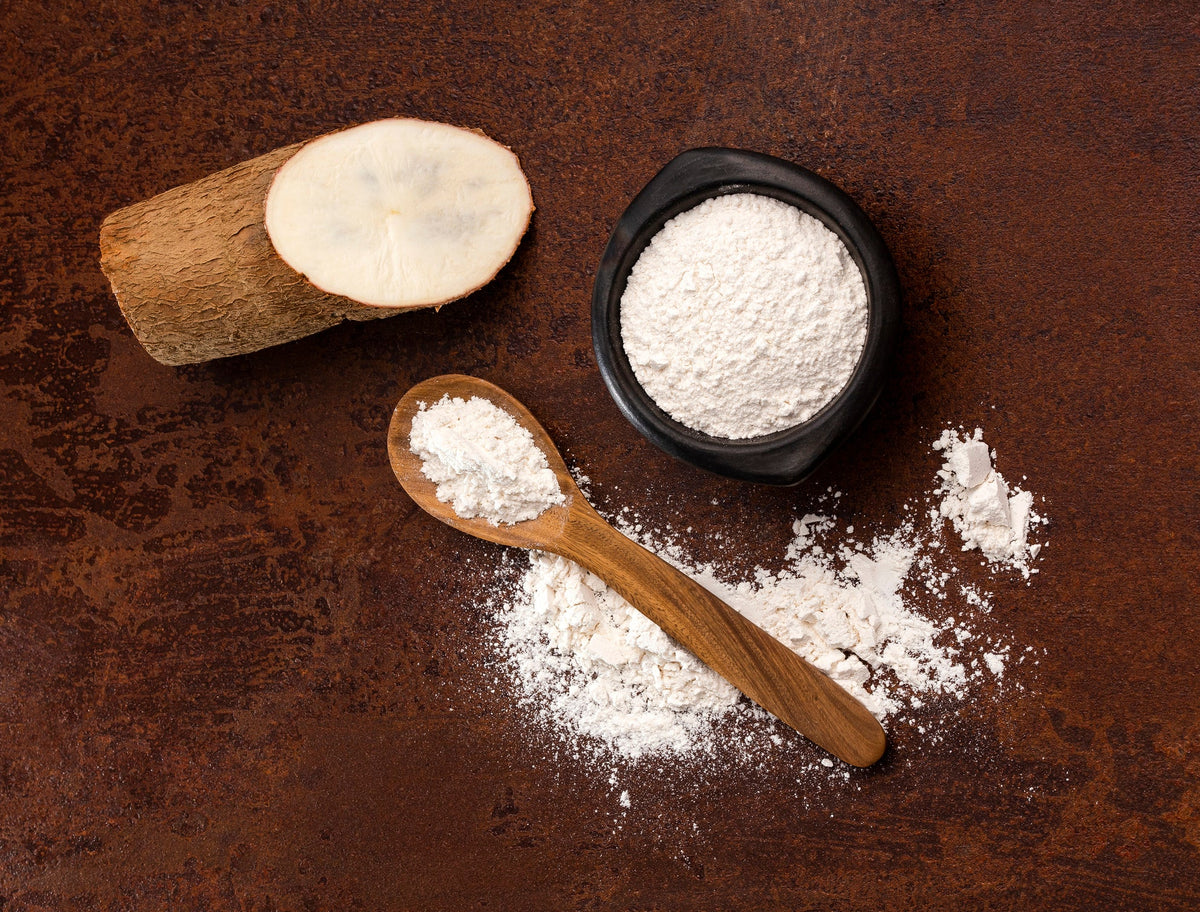
- Dry tapioca starch: a fine white powder used to thicken sauces, soups, and baked goods.
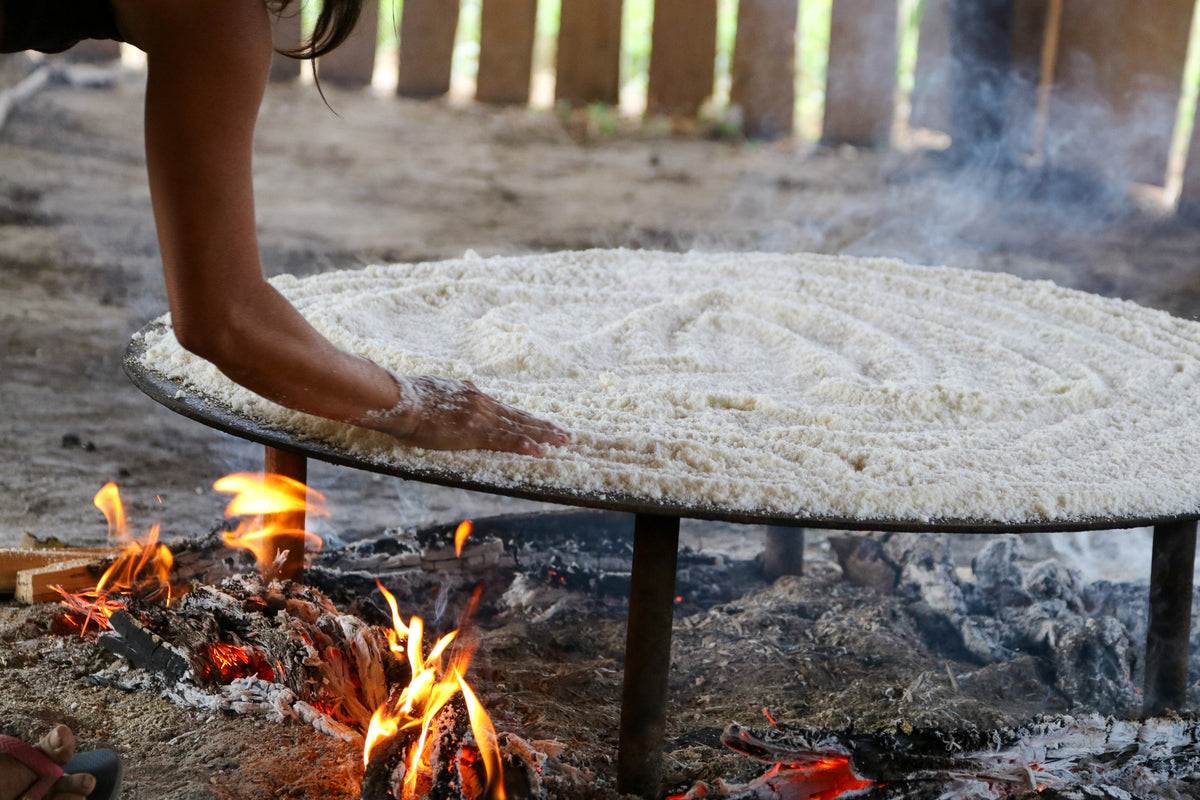
- Hydrated tapioca starch: the moist form traditionally used in Brazil to prepare fresh tapioca flatbreads.
- Tapioca (Brazilian use): the name commonly used in Brazil for the freshly cooked tapioca flatbread, ready to be filled with sweet or savoury ingredients.
- Beiju: a traditional flatbread made from pressed cassava pulp. Similar in shape to tapioca flatbread, but denser and drier in texture.
- Cassava flour: made from the whole root, usually toasted. It differs from starch and is used in traditional dishes such as farofa.
Though they share the same origin, their textures and culinary uses vary significantly.
Tipiog brings you hydrated cassava starch, ready to prepare your own fresh tapioca at home.
A legend beneath the roots: Mani-oca
According to an Indigenous legend, a child named Mani was born with skin as white as moonlight. Her parents were astonished by her appearance, so different from the other children of the tribe. Mani was quiet and gentle. She ate little, spoke little, and often seemed lost in her own world.
One morning, she did not rise from her hammock. The shaman was called, but there was no illness to heal. Peacefully, still smiling, Mani passed away.
Her parents buried her inside their hut, as was customary among the Tupi people. Each day, they watered the earth above her resting place with tears of love and longing.
After some time, a green sprout emerged from the soil. No one recognized the plant, so they allowed it to grow. It became tall and strong, and the ground began to crack around its roots.
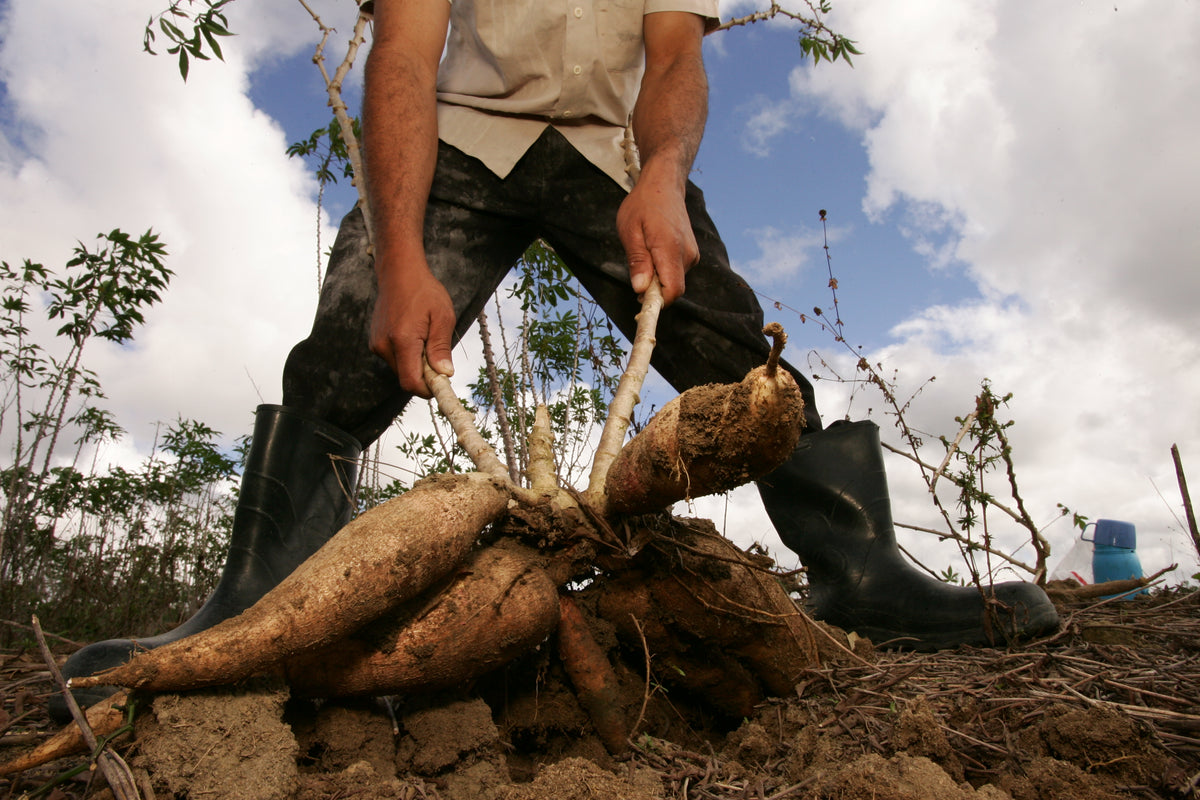
When they dug into the earth, they found thick brown roots. On the outside, they were the color of the earth and the young boys of the village. On the inside, they were white, like Mani’s skin.
They called it Mani-oca, meaning “the house of Mani.”
From this root, they made food. From this food, they built sustenance. And manioc became one of the most vital ingredients for Indigenous communities across Brazil.
Today, tapioca, made from that very root, carries the memory of Mani in every bite.